
Why Querkus Works for Institutional Workplace Design
QUERKUS AT BROOKFIELD: A CASE STUDY IN INSTITUTIONAL WORKPLACE DESIGN
Querkus at Brookfield demonstrates how engineered oak veneer can meet the demands of large-scale commercial interiors.
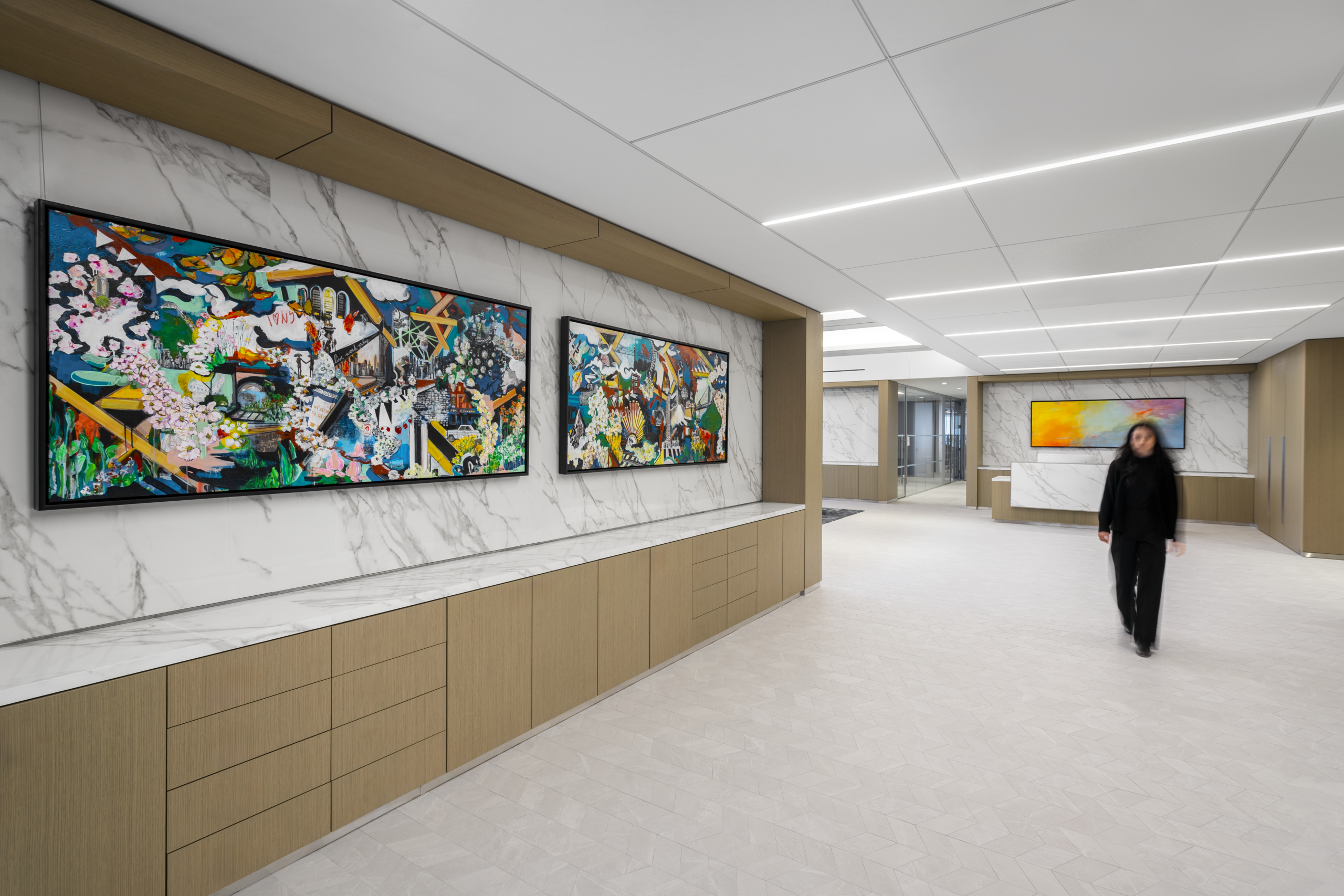
In this project at 225 Liberty Street, designed by TPG Architecture for Brookfield Oaktree Wealth Solutions, Querkus Adagio delivered consistency, schedule reliability, and a refined finish suitable for a financial workplace.
This case study highlights why Querkus performs so well in institutional environments and why property teams continue to specify it.
CLASS A OFFICE AT 225 LIBERTY STREET
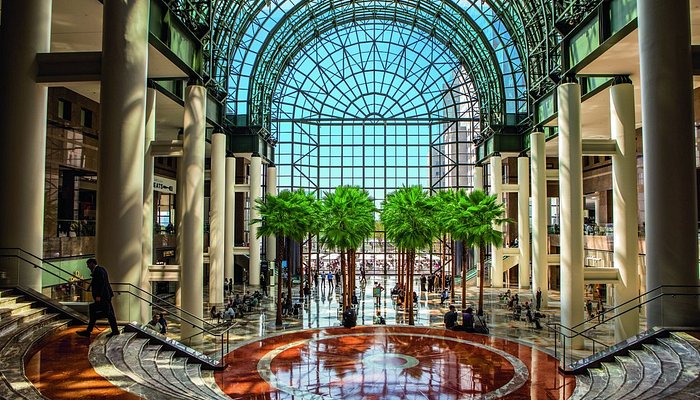
The project is located at 225 Liberty Street within Brookfield Place in Lower Manhattan. The building is owned and operated by Brookfield Properties. It serves institutional tenants who expect durability, performance, and a clean aesthetic.
TPG Architecture created a sophisticated workplace for a global investment platform. The design required materials that could support client-facing areas, executive zones, and back-of-house spaces with equal confidence. The palette needed to feel calm and precise. Grain variation had to remain controlled. Lead times had to align with a commercial construction schedule.
Querkus met those requirements.
CONSISTENCY AT SCALE FOR COMMERCIAL INTERIORS
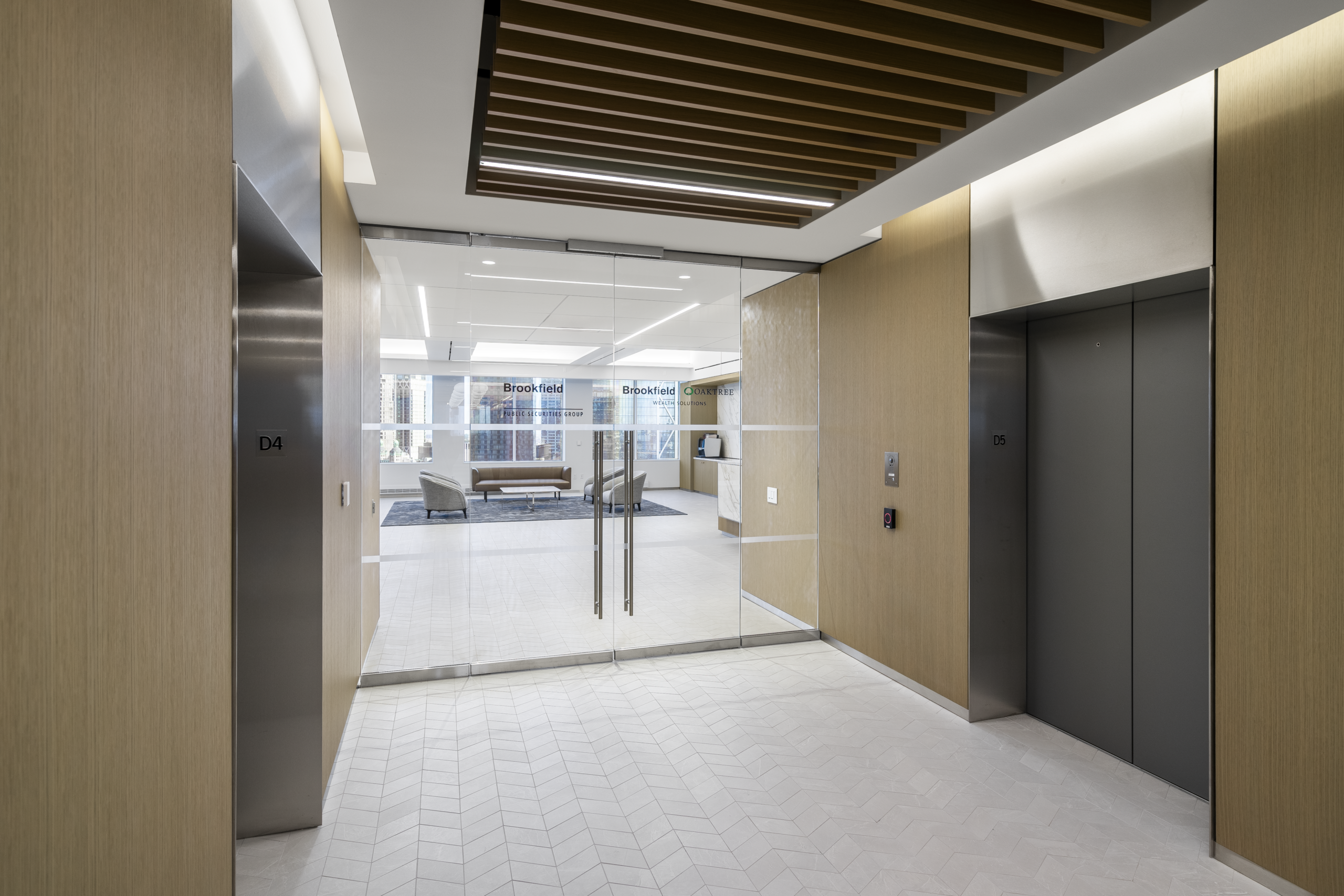
Institutional workplace design often involves hundreds of linear feet of paneling and millwork. Visual consistency matters. Rift-dominant oak offers a linear grain structure that reads cleanly across walls, doors, and cabinetry.
Querkus Adagio is primarily rift cut. The grain remains tight and disciplined. Cathedral patterns are minimized. As a result, architects can maintain strong horizontal or vertical lines across large surfaces.
This level of control supports boardrooms, reception areas, and circulation corridors. It also allows designers to tie different areas together without visual distraction. For property managers overseeing multiple tenant spaces, that predictability is valuable.
Querkus at Brookfield reflects this strength clearly.
COMMERCIAL SCHEDULES AND BID CLARITY
Large projects depend on reliable timelines. Material availability affects pricing, coordination, and installation. Engineered veneer panels provide greater predictability than site-finished solid lumber.
Querkus is manufactured with commercial construction in mind. Lead times align with real-world build schedules. Millworkers can estimate more accurately because panel formats are consistent. Substrate stability reduces surprises in the field.
These factors reduce risk for developers and property teams. They also support smoother coordination between architects, general contractors, and fabrication shops.
In institutional environments, clarity and repeatability matter.
“Institutional projects demand discipline, both in design and in execution. A panel system with consistent sizing and stable substrates helps eliminate field surprises. It keeps architects, contractors, and fabricators working in sync.”
Jennifer Daly, Co-Principal Robin Reigi, Inc.
CUSTOMIZABLE FINISH WITH CONTROLLED GRAIN
Every workplace has its own tonal goals. In this case, Querkus Adagio was stained to align with a preferred reference tone. The base veneer allowed that flexibility while maintaining its rift-forward structure.
That flexibility is one reason Querkus performs well in Class A office design. Designers retain freedom in finish selection. At the same time, the underlying grain remains consistent across panels.
This balance is especially important in financial and wealth management spaces. The material must feel warm yet disciplined. It should support a sense of permanence without appearing heavy.
Querkus at Brookfield achieved that balance.
REFINED TEXTURE FOR SOPHISTICATED ENVIRONMENTS
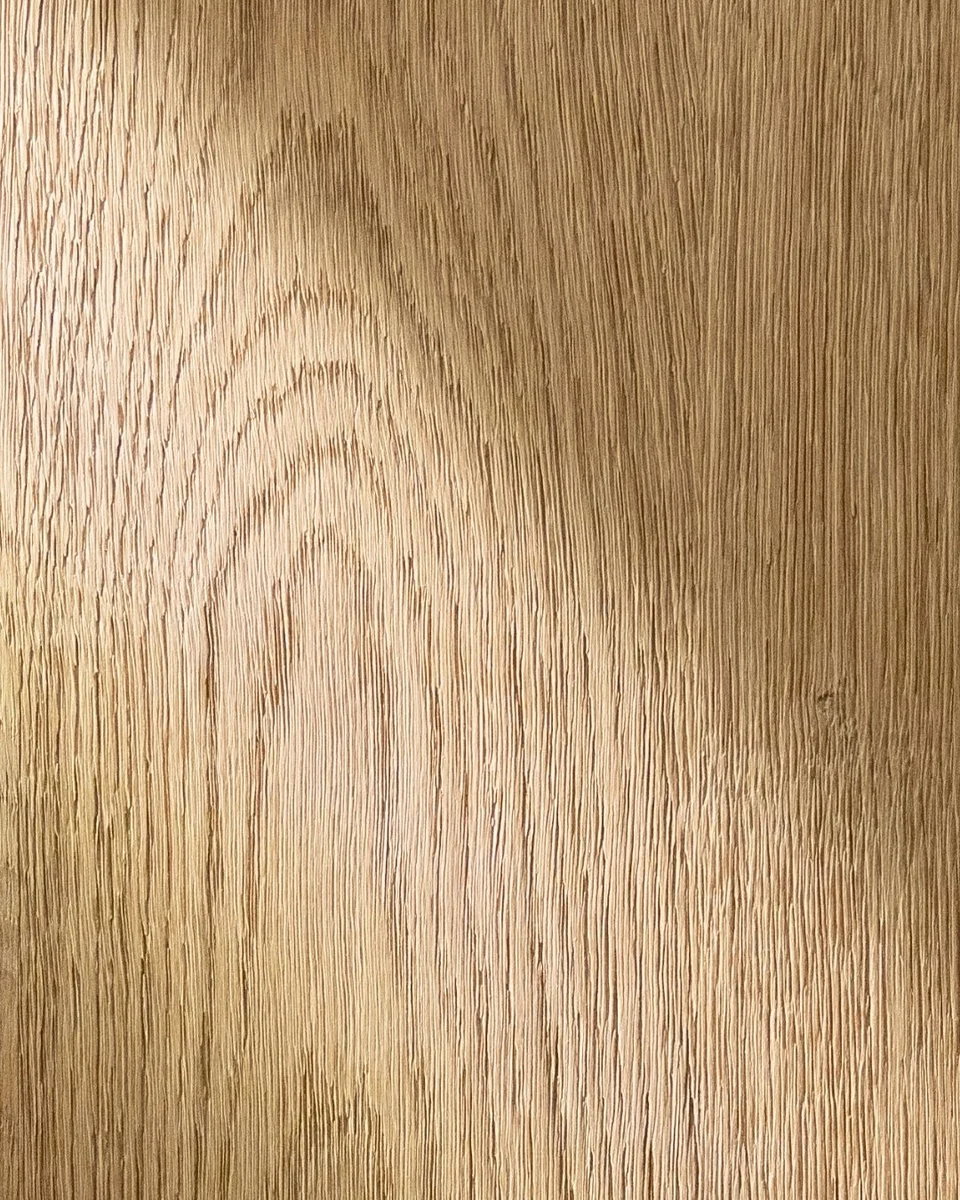
Adagio features a light wire-brushed surface. The texture adds depth without drawing attention away from the architecture. Under natural and artificial light, the surface reads soft and controlled.
Wire brushing introduces tactile interest while preserving a clean profile. In executive conference rooms and reception zones, this detail supports a polished atmosphere. It feels appropriate for institutional tenants who value discretion and clarity.
The result is oak that feels intentional and measured.
WHY PROPERTY TEAMS CONTINUE TO SPECIFY QUERKUS
Property managers and asset managers often seek materials that can perform across multiple tenant build-outs. They look for consistency, ease of coordination, and finishes that hold up over time.
Querkus supports these priorities. It provides a disciplined grain structure. It integrates smoothly with millwork packages. It fits commercial timelines. It adapts to custom stain requirements when needed.
Querkus at Brookfield offers a clear example. The project demonstrates how engineered oak veneer can unify a workplace while supporting real construction demands.
For institutional workplace design, material selection carries long-term implications. Querkus provides the reliability and aesthetic control that these environments require. That combination continues to make it a strong choice for Class A office interiors.