




1. EARLY COLLABORATION BETWEEN THE ARCHITECT AND MILLWORKER IS CRUCIAL
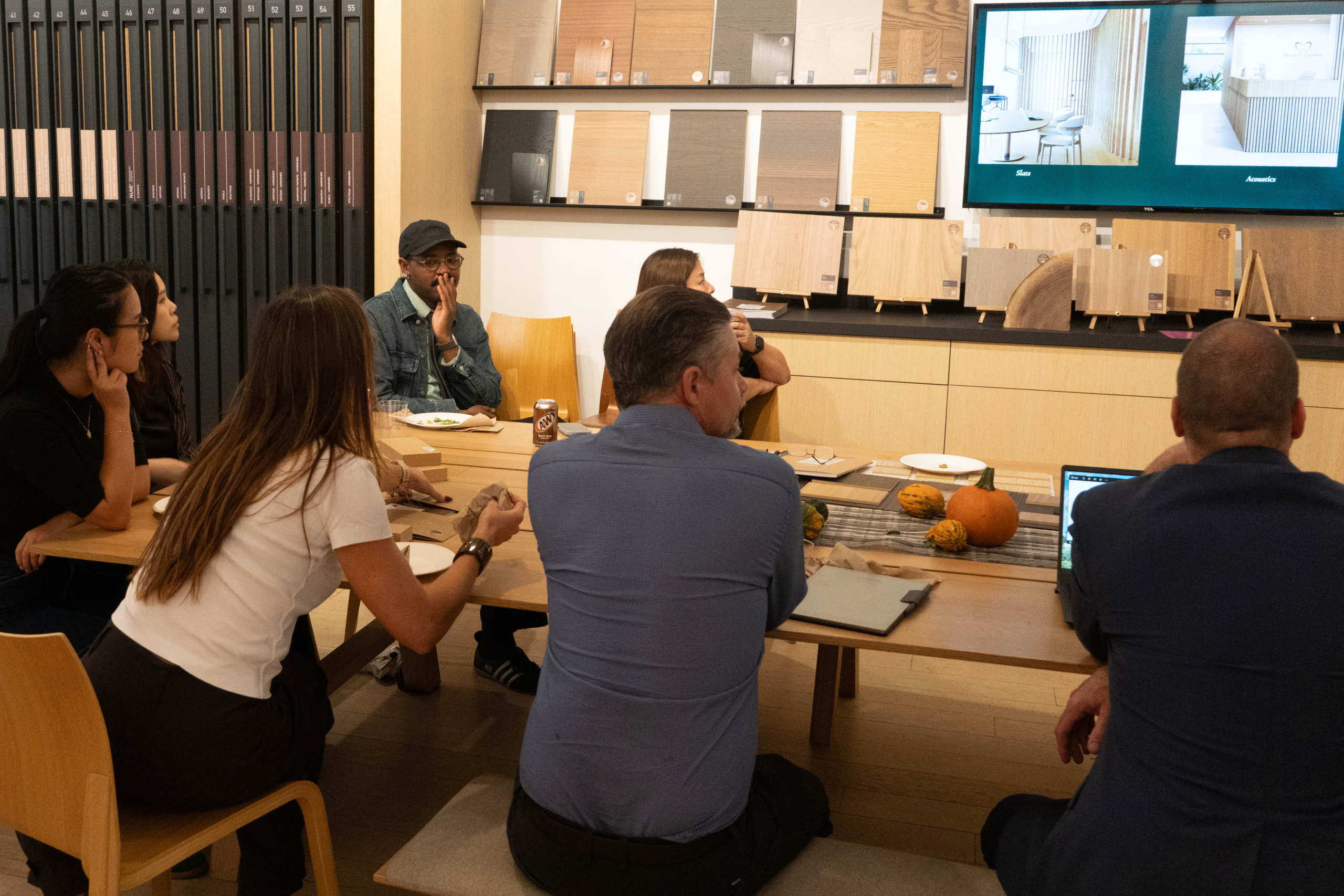
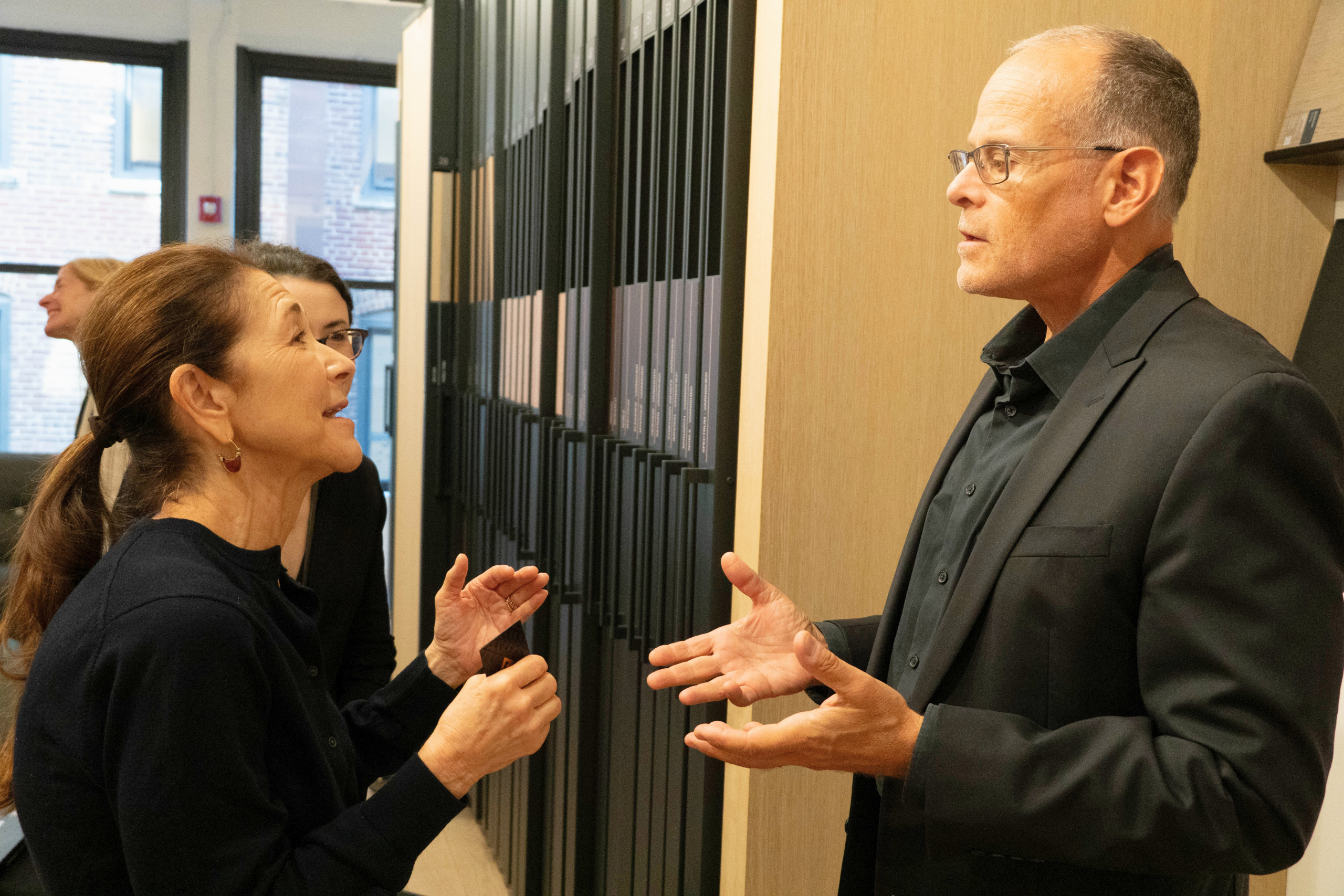
One of the central themes of Meet the Millworker is the importance of communication between architects, designers, and fabricators.
Architects establish the design intent, while millworkers contribute the technical expertise needed to translate that vision into components that can be fabricated and installed.
Early collaboration helps teams resolve material expectations, construction details, budgets, and scheduling requirements before fabrication begins. These conversations can prevent costly problems and uncover opportunities for better design solutions.

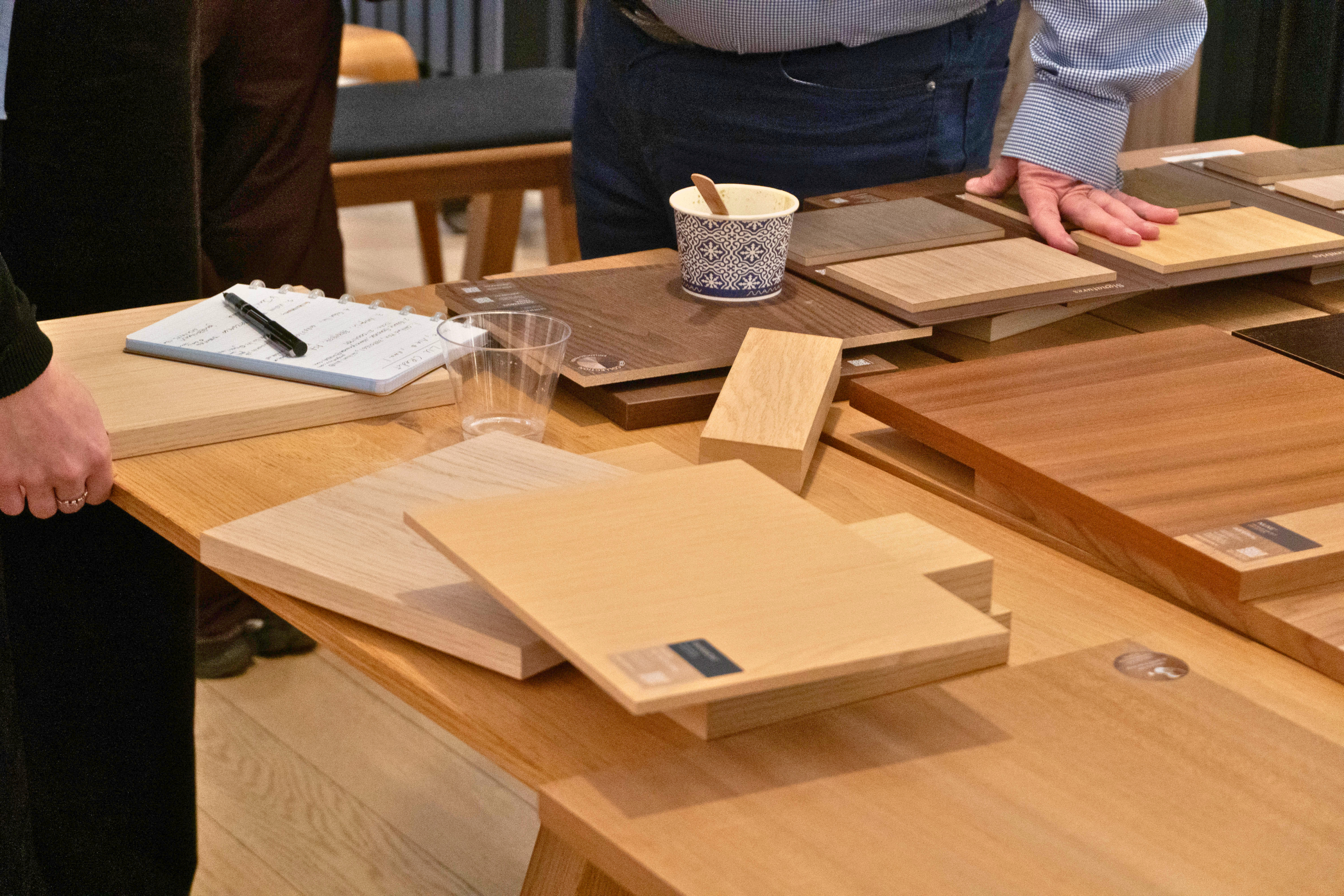
2. WORKSHOP REALITIES MUST BE CONSIDERED DURING DESIGN
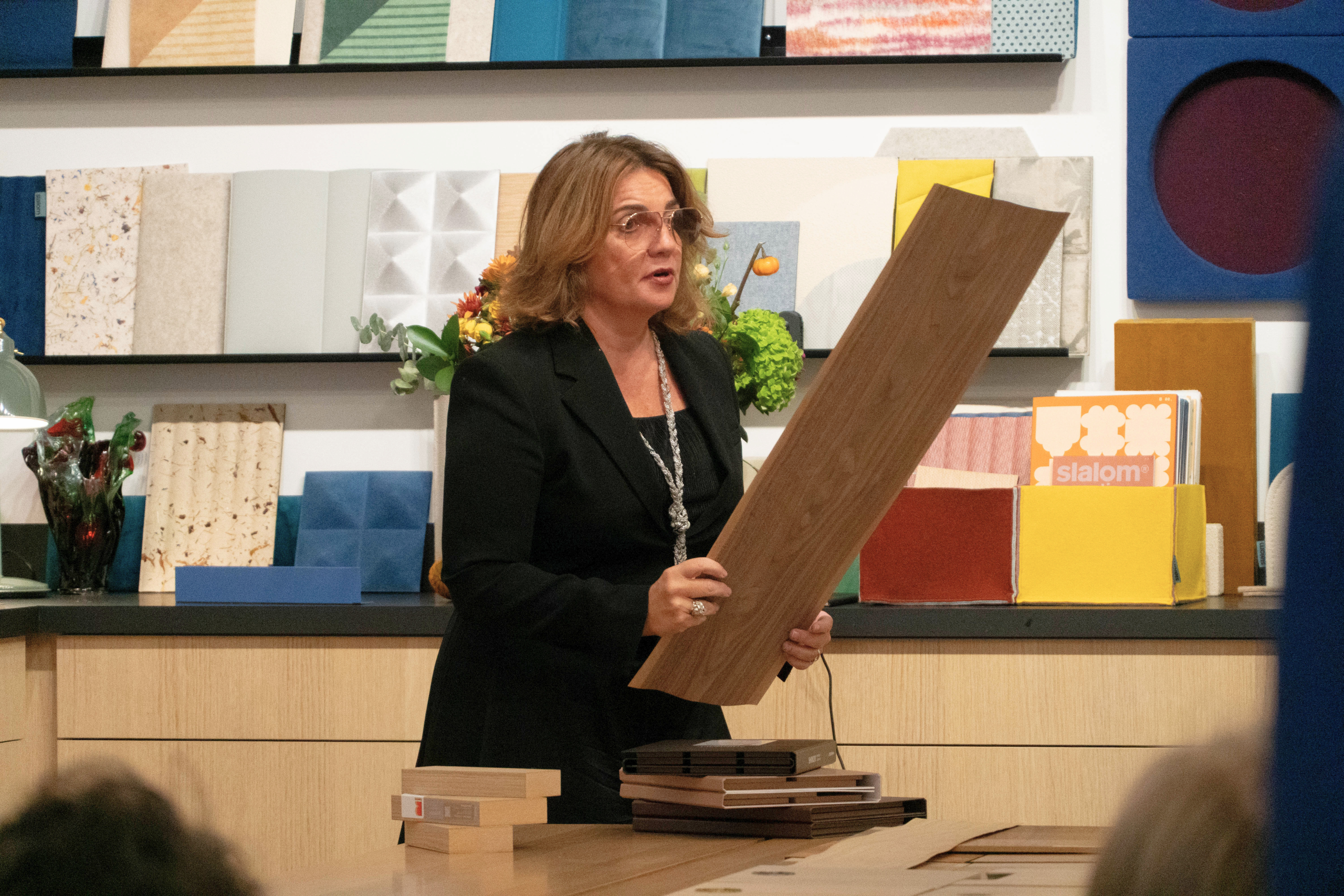
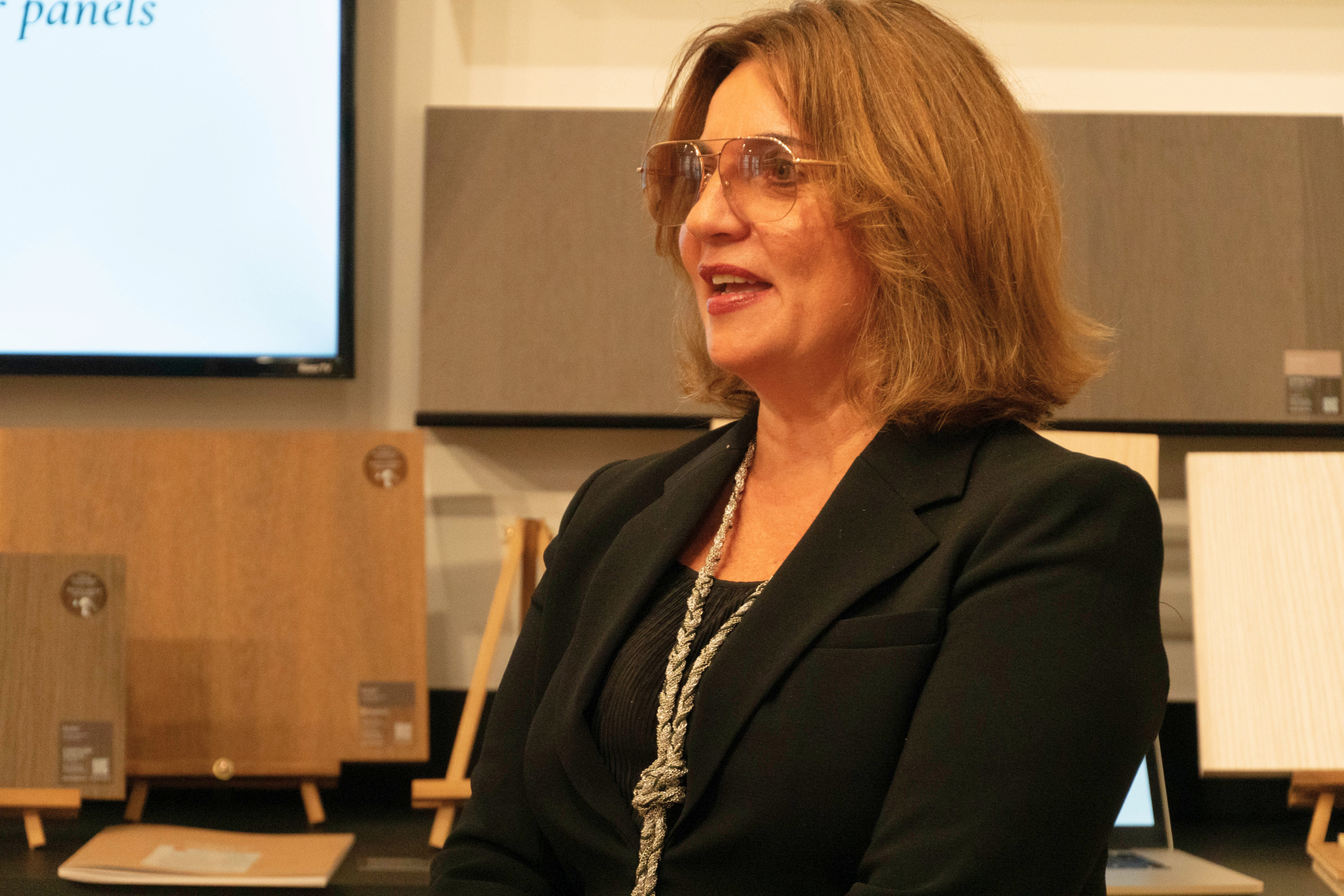
Every architectural millwork project involves decisions that connect design intent with workshop reality. Panel dimensions, grain direction, edge treatments, joints, and installation methods all influence the finished result.
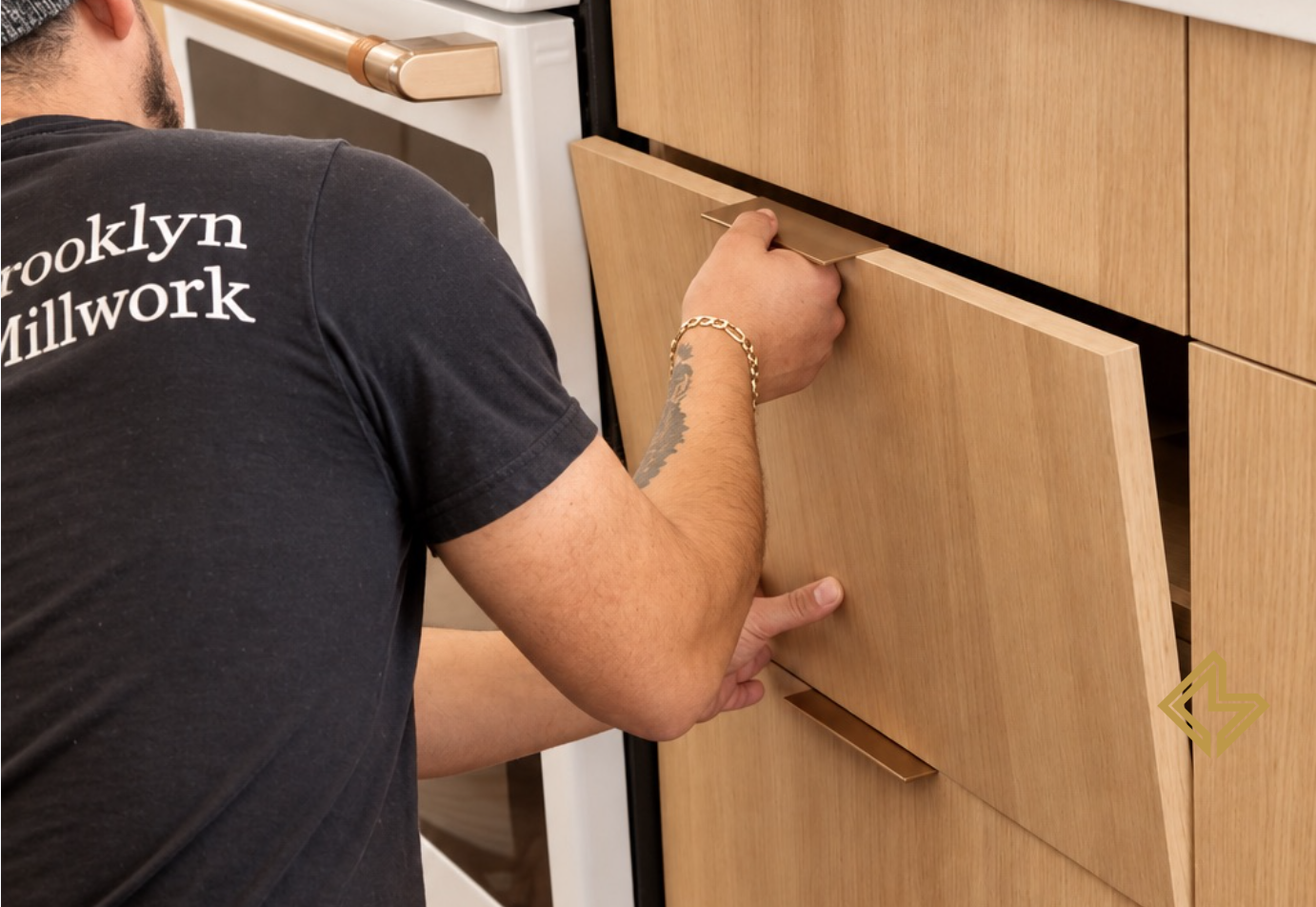
Understanding fabrication techniques, including CNC machining, edge banding, mitered construction, and solid wood integration, helps architects design with greater confidence.
Millworkers also balance design requirements with production schedules, budgets, and material availability. Their expertise helps architects anticipate challenges and set realistic expectations with clients, especially around natural wood variation, grain matching, custom finishes, and lead times.
Reviewing these details with a millworker before finalizing specifications can help reduce material waste, avoid fabrication challenges, and protect the design intent.

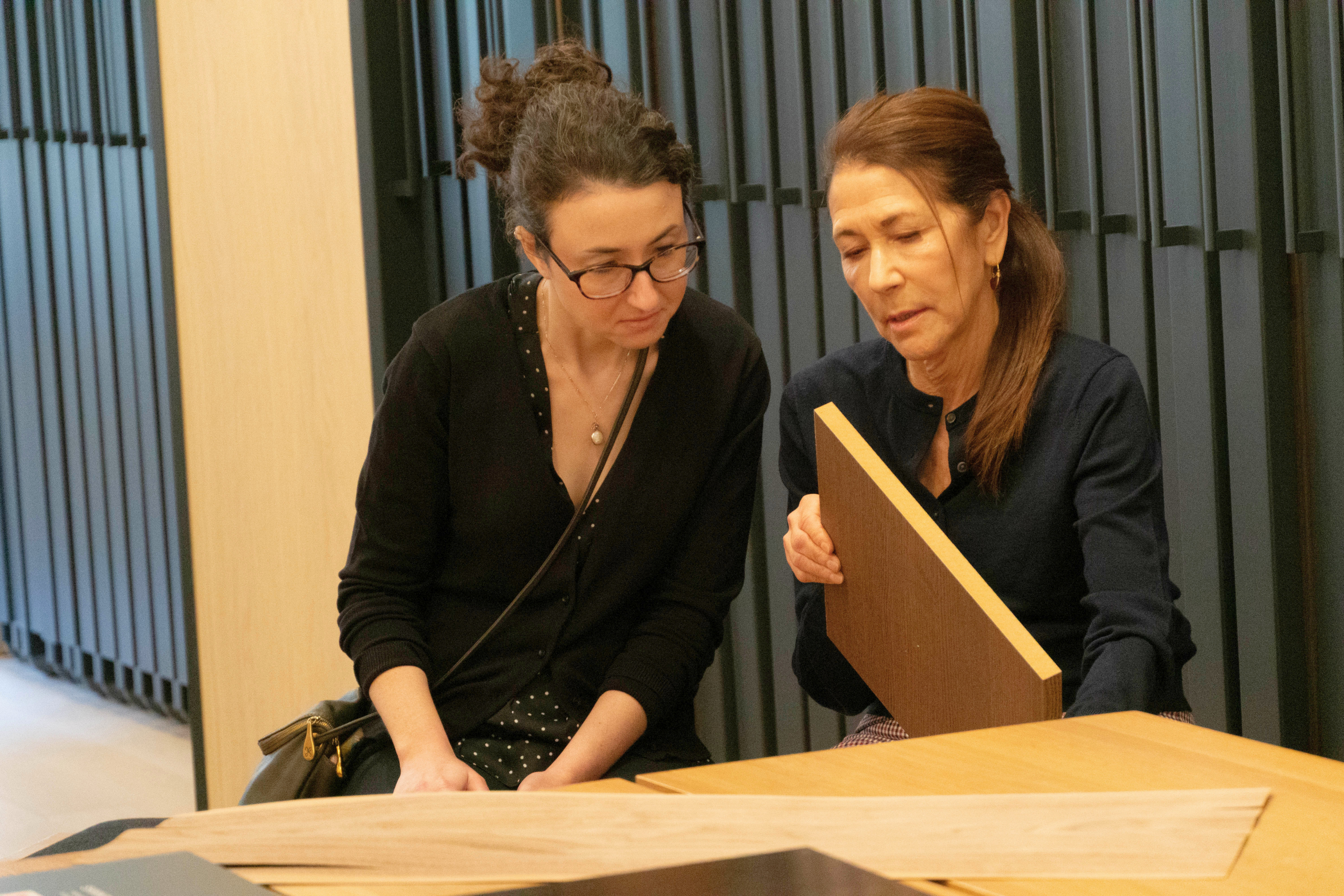

3. PREFINISHED MATERIALS SAVE TIME AND LABOR
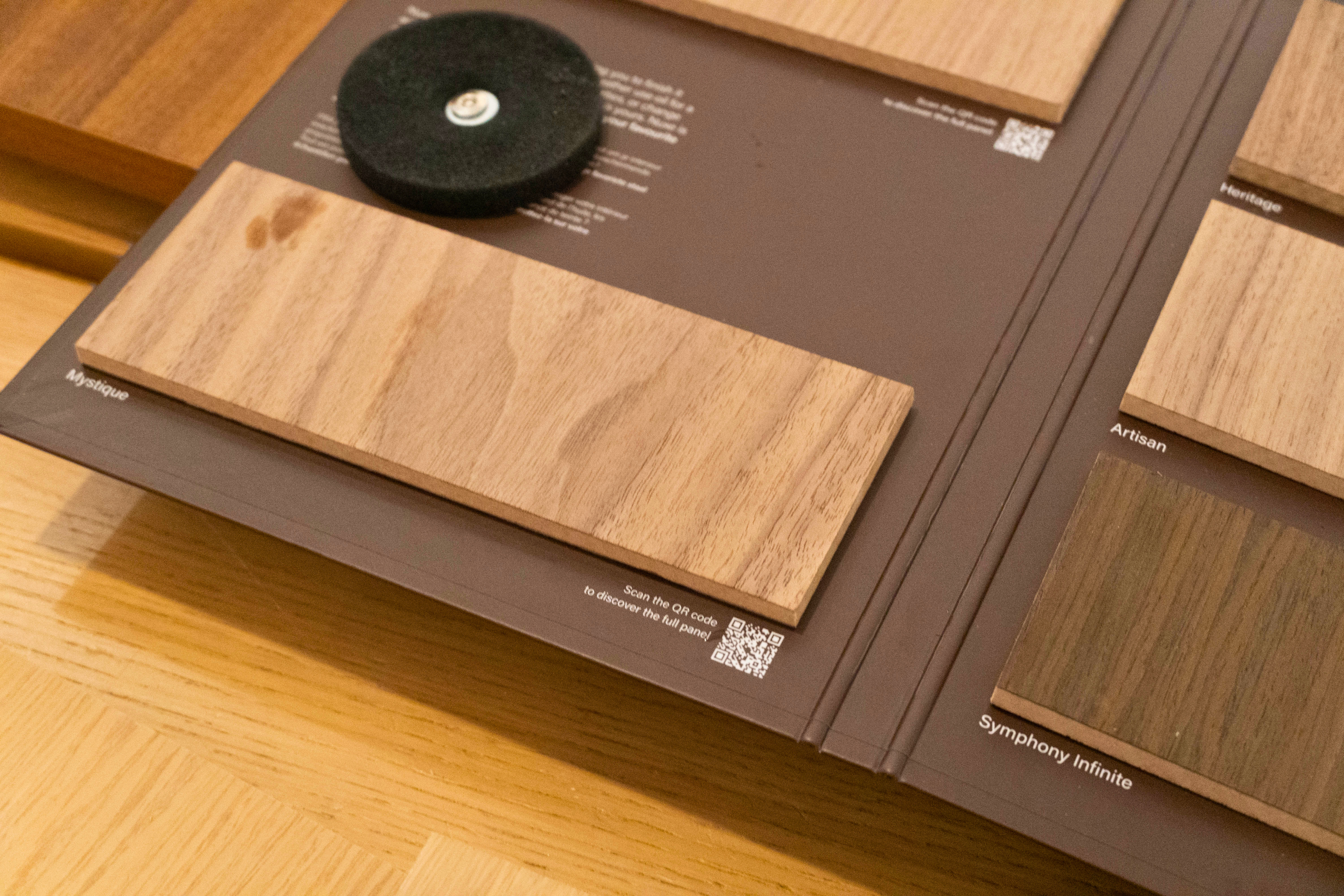
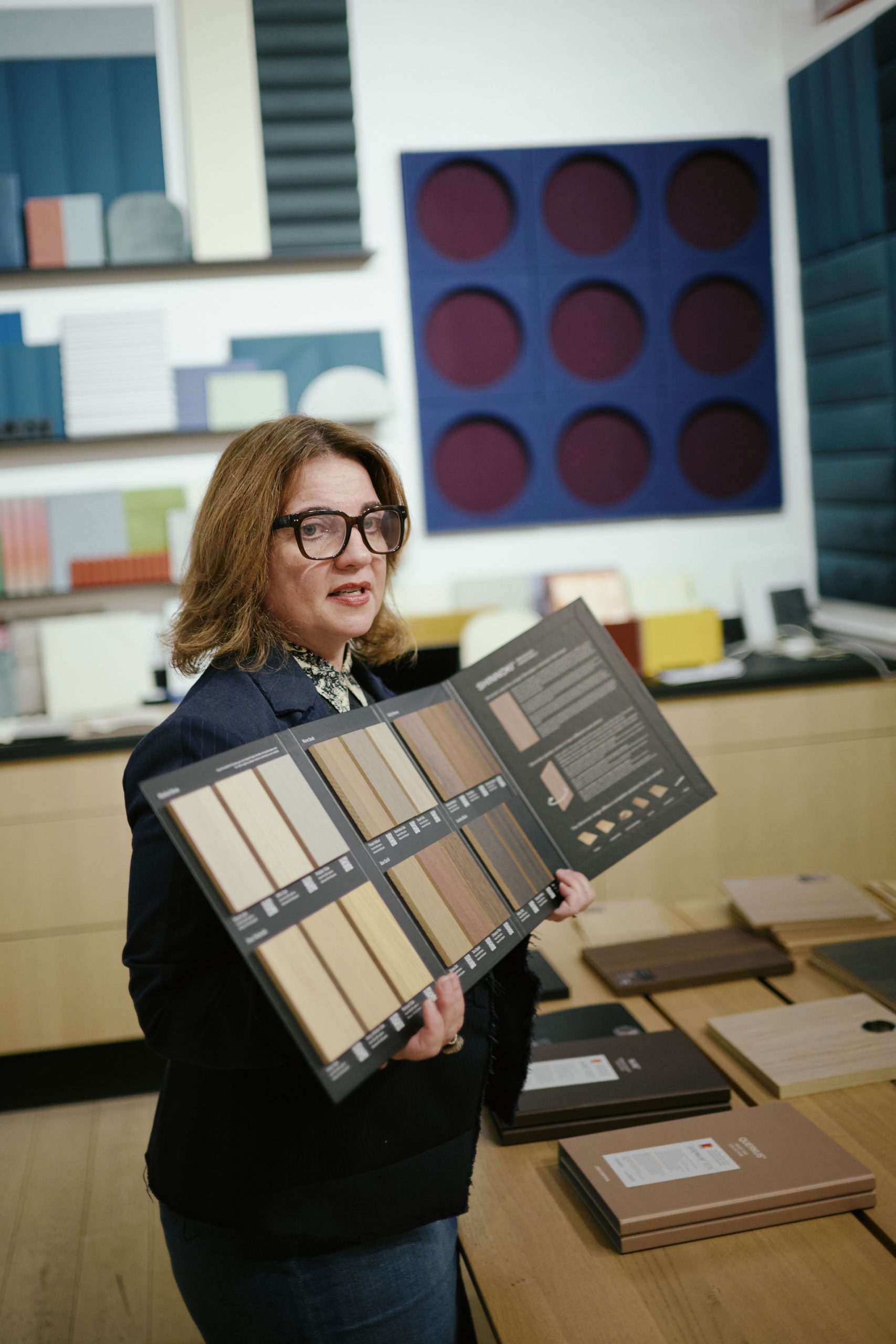
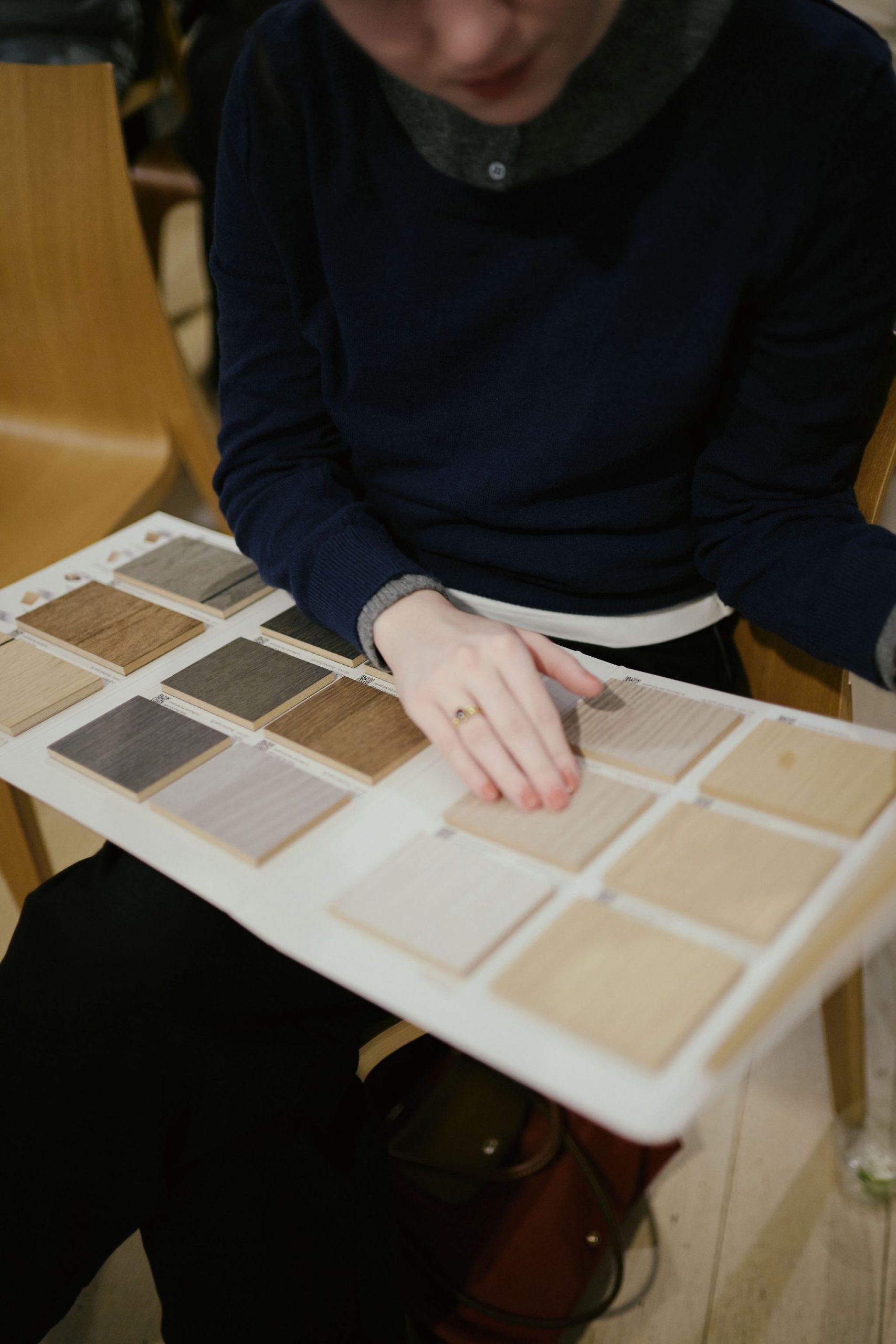
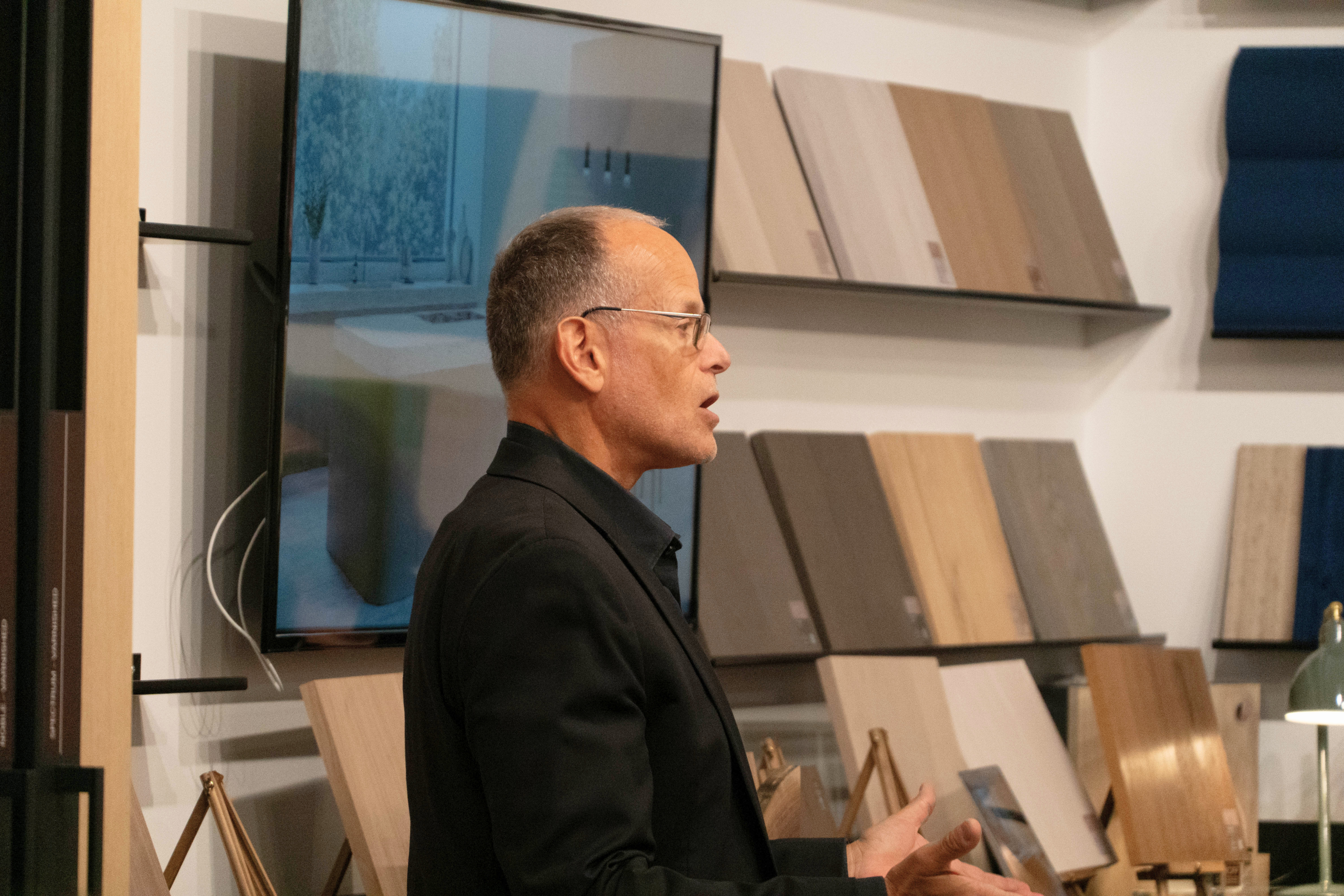
Prefinished wood veneer panels, including Decospan's Shinnoki collection, offer significant workshop advantages.
Available in a wide range of wood species, colors, and finishes, Shinnoki delivers consistent color across panels and a durable, factory-applied finish. The panels arrive ready to cut, edge-band, and install, eliminating the need for traditional shop finishing.
Shinnoki saves valuable fabrication time and labor while delivering consistent, high-quality results. For architects, that means greater predictability in appearance and production schedules, with fewer finishing steps to factor into the project budget.
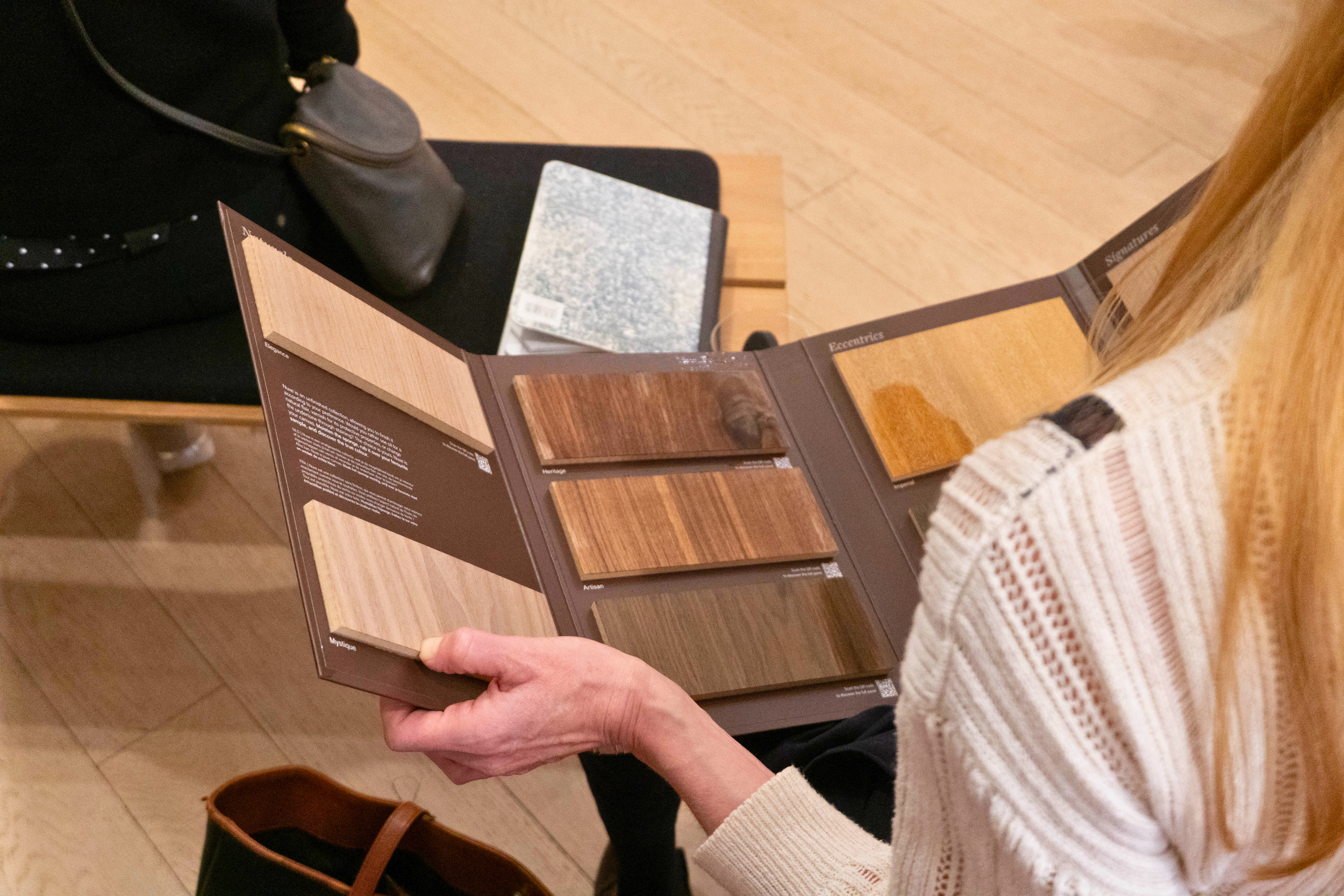
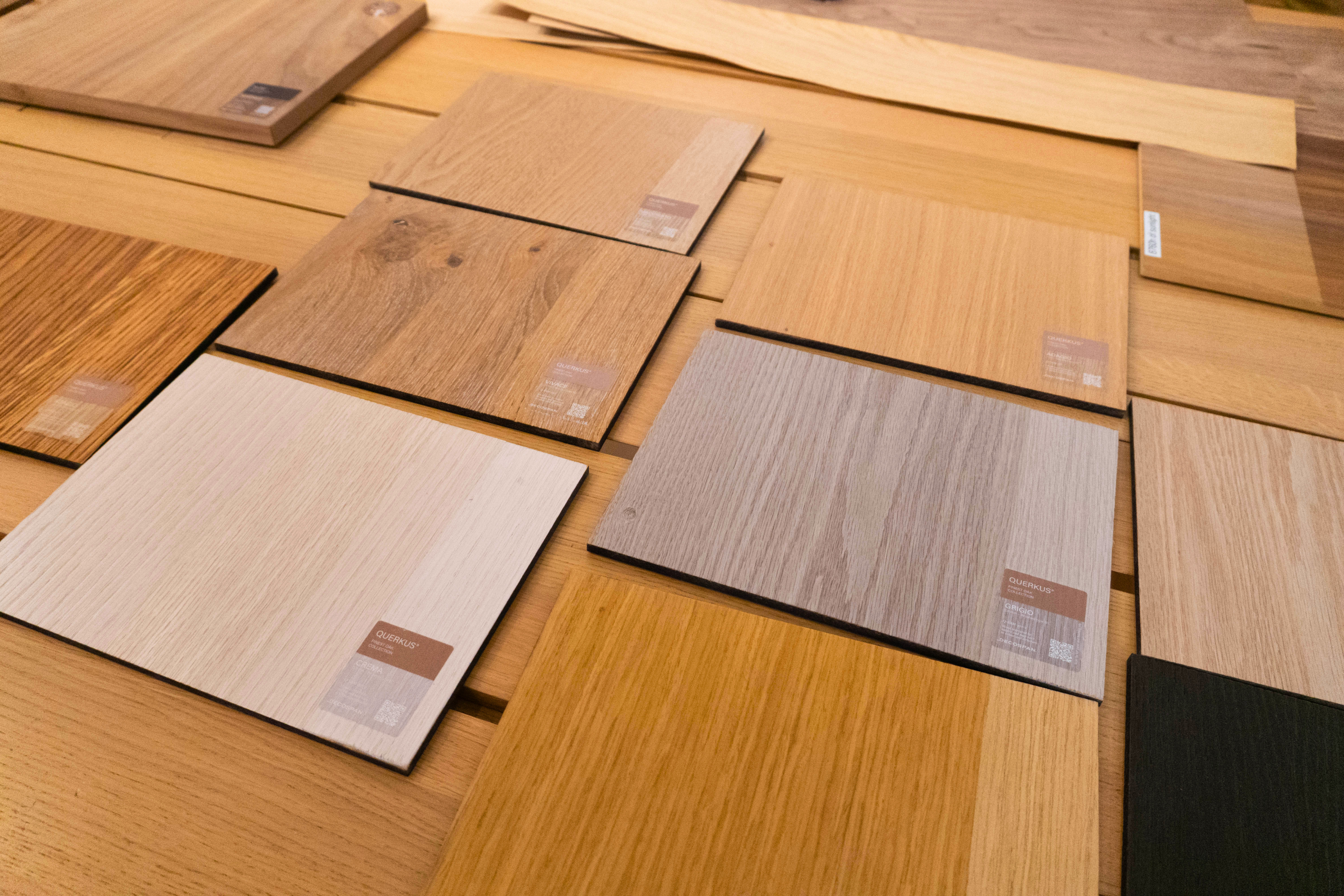
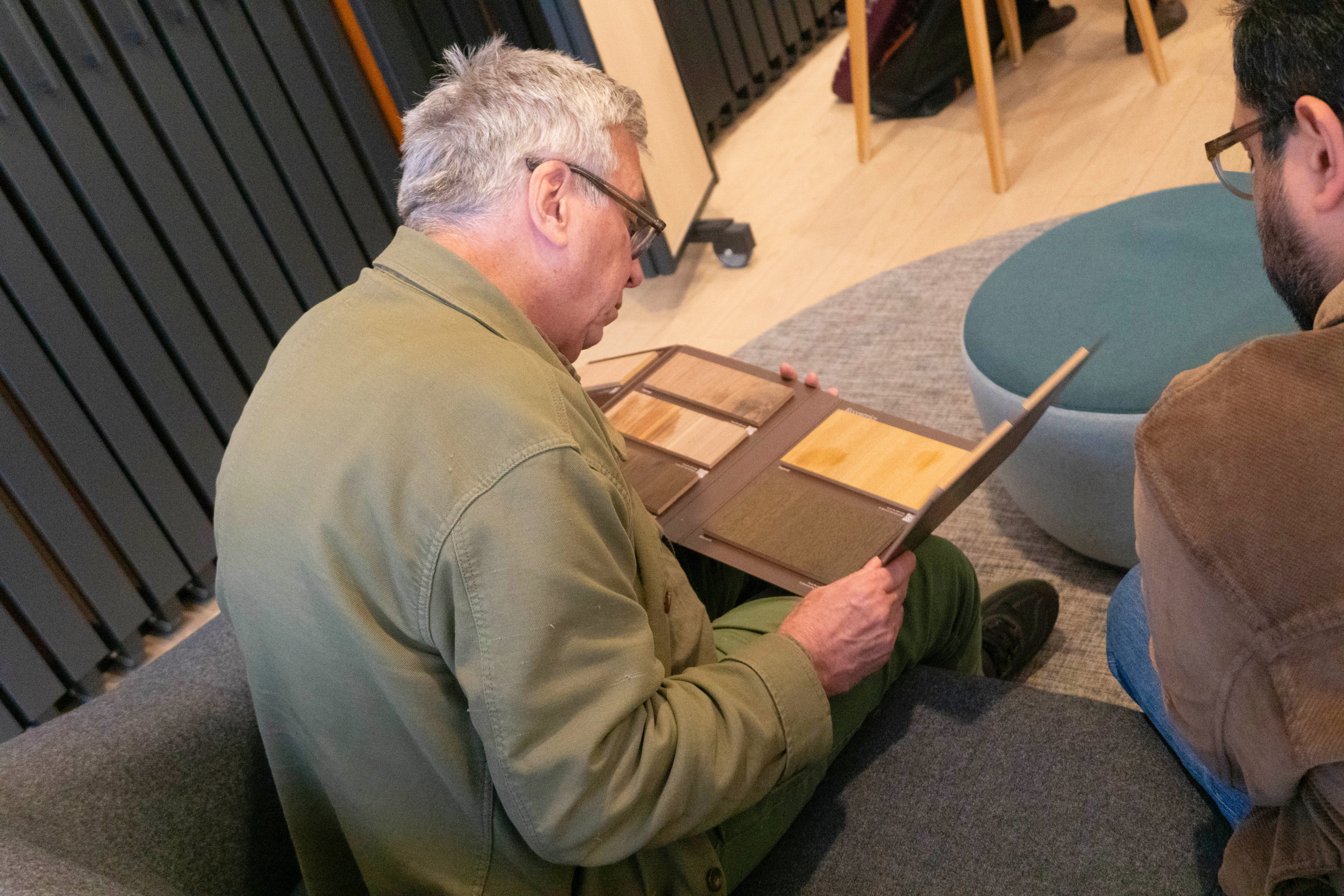
4. UNFINISHED VENEERS OPEN UP CREATIVE POSSIBILITIES
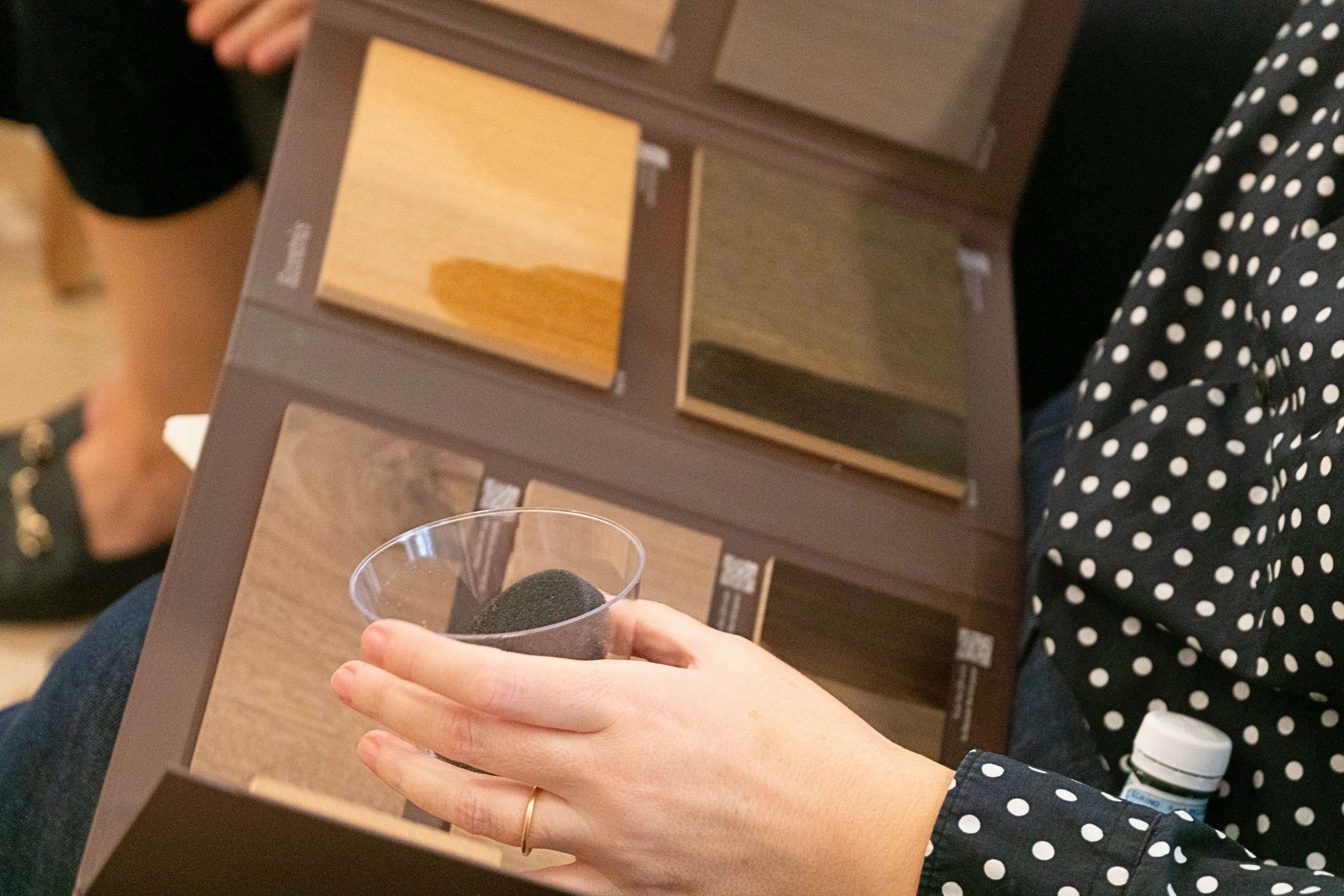
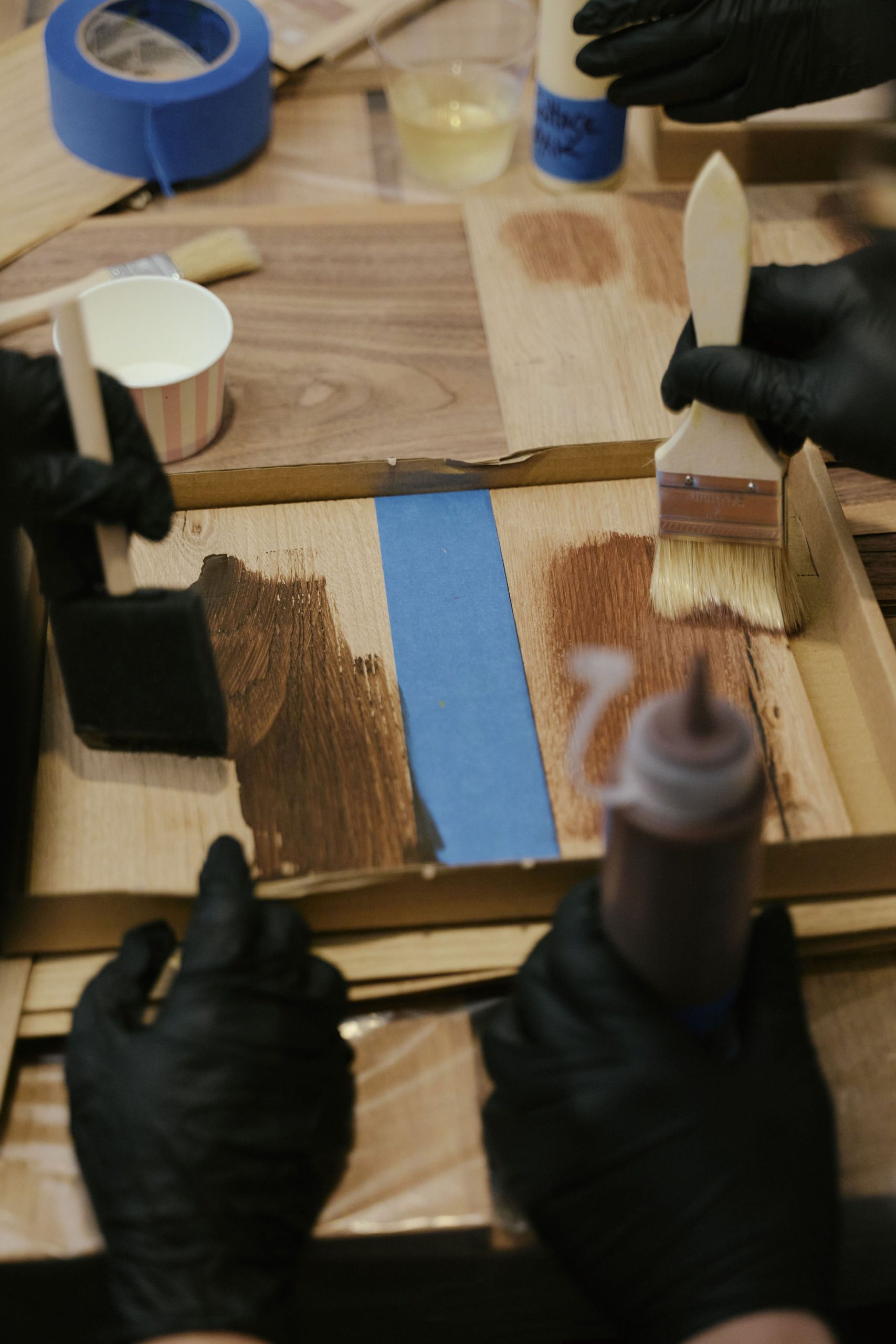
Decospan's Querkus Oak Collection and Nuxe Walnut Collection offer a different approach to architectural wood surfaces.
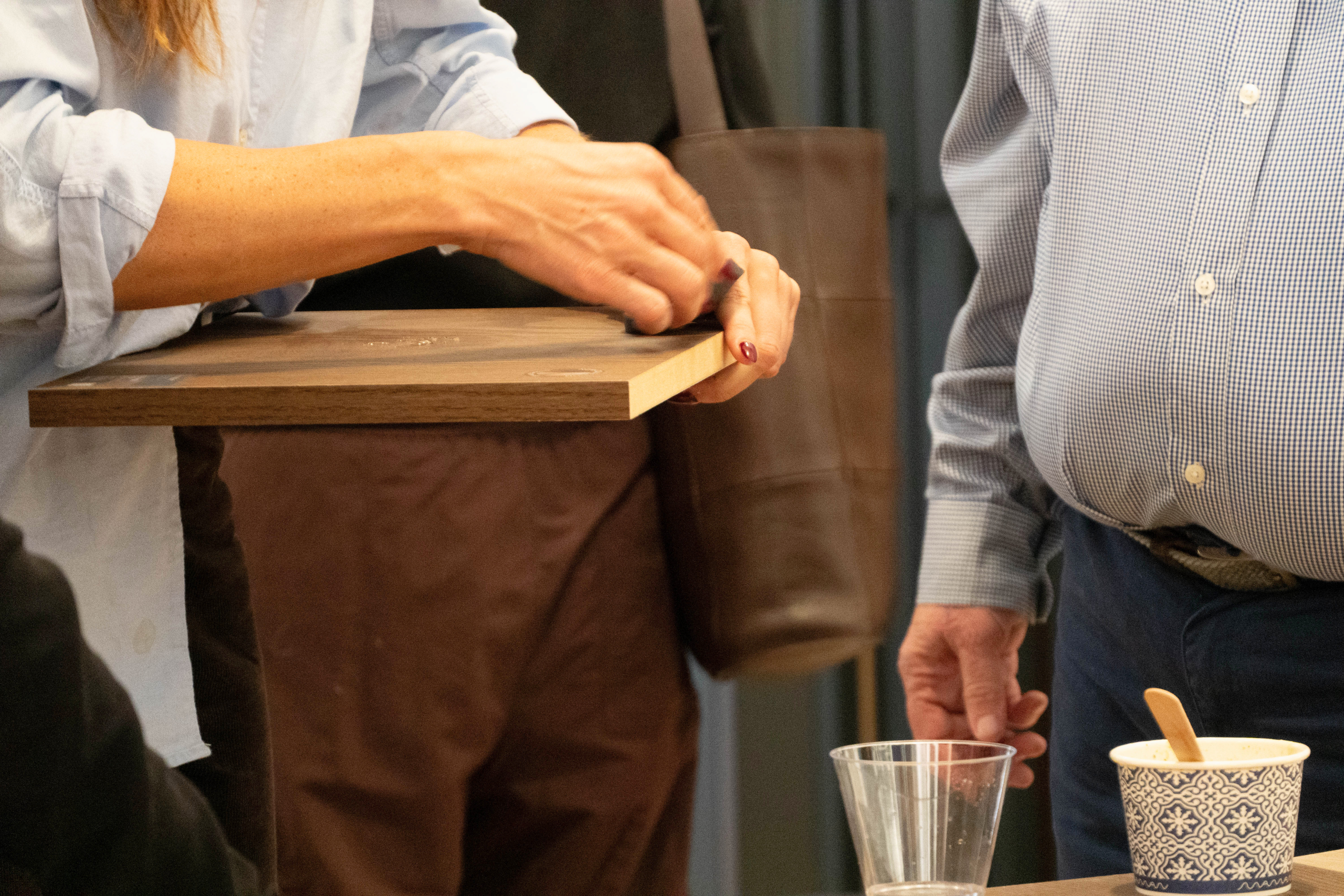
These unfinished wood veneer panels celebrate the natural beauty and character of oak and walnut while allowing architects and designers to specify custom stains and finishes.
For millworkers, this flexibility creates opportunities to apply their finishing expertise and achieve a highly customized result. From subtle natural tones to bold, expressive treatments, Querkus and Nuxe support distinctive interiors tailored to each project's design vision.
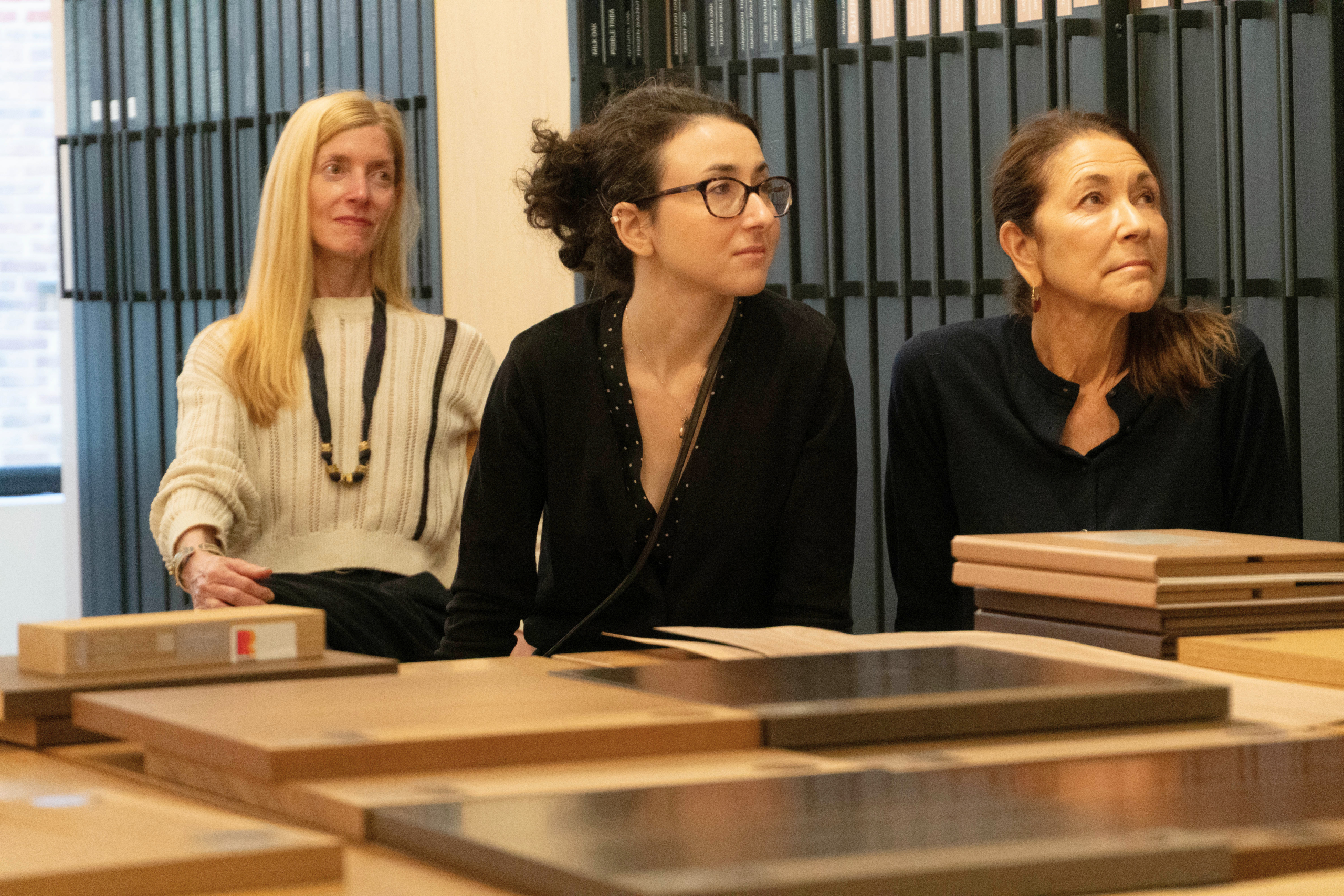
With technical expertise from Decospan and material distribution support from Rugby Architectural Building Products, the series helps attendees understand how material selection and fabrication decisions work together.